
Collapse through Obedience

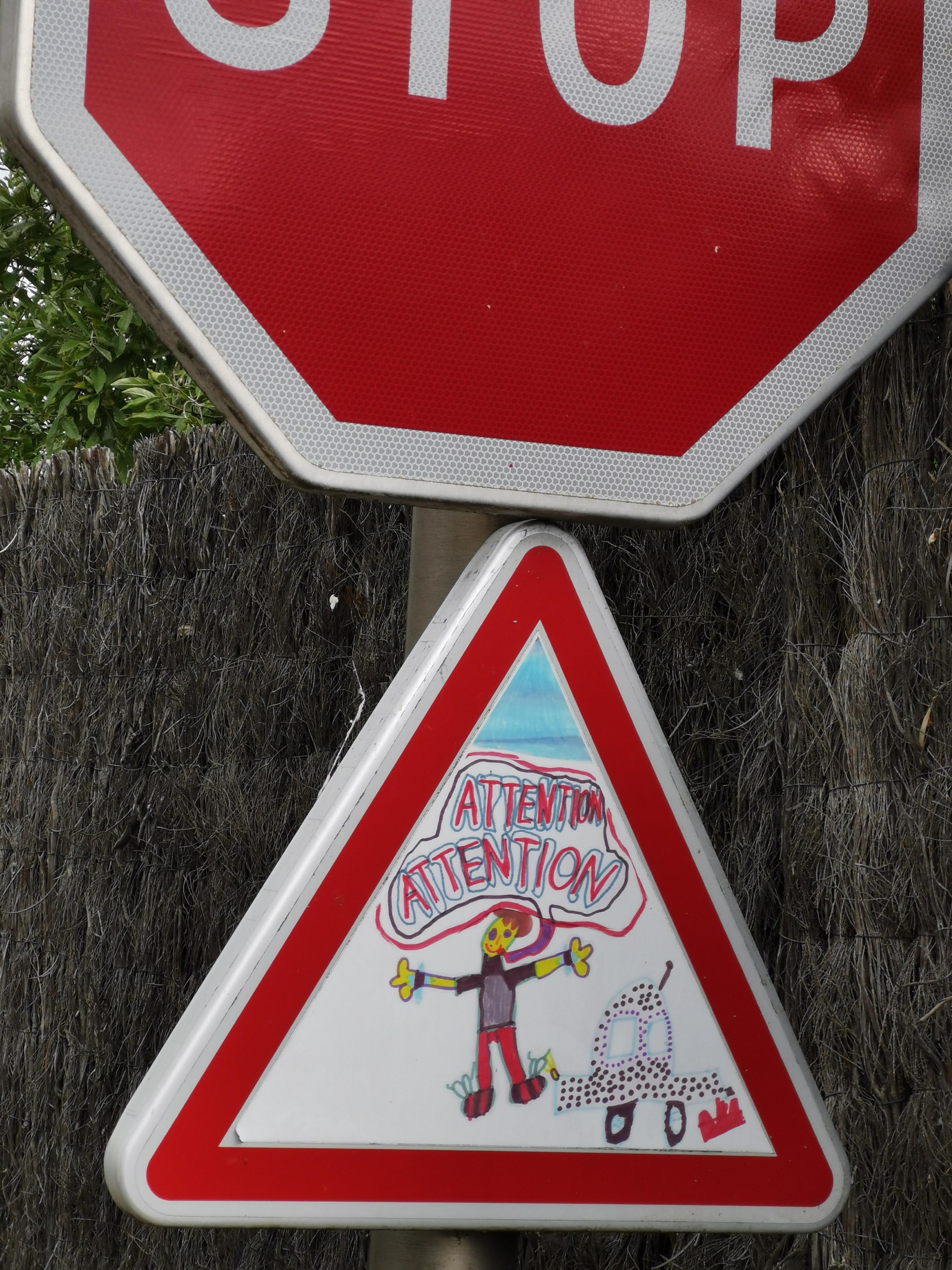
There’s one institution where the question of obedience was settled in blood: the army.
For centuries, military doctrine sought perfect obedience. The soldier as extension of the commander’s will. Then came modern wars. And the military learned.
Interpretation is cheating. Cheating is working
An order, in the field, is always incomplete. The general doesn’t see the ravine. The colonel doesn’t know the bridge is blown. If the sergeant executes the order to the letter, he sends his men into the ravine.
The principle: you obey the intent, not the letter. The commander says what he wants to achieve. The one executing decides how, based on the reality only they can see. It’s what the military calls tactical initiative. It’s what I call cheating or the power to disobey intelligently.
Finally. An army that obeys perfectly is a defeated army.
AI realizes the old Taylorist dream
The perfectly executed prescription. The gap between order and action reduced to zero. No interpretation, no variation, no human noise. It’s been the fantasy of scientific management for a century. And for the first time, it’s technically possible.
But complex systems hold together through their slack. Through their capacity for local adaptation. Through the micro-adjustments of those who see what the center cannot.
Remove that slack, and you remove the shock absorber.
No more cheating → no more local adaptation → no more weak signals sent up → no more correction before rupture. The system becomes rigid. Optimized for the nominal case. Blind to exceptions.
And exceptions always come …
The day it breaks, and it will, no one knows how to improvise. Skills have been lost. Reflexes have vanished. It’s the Air France 447 crash. The pilots, used to autopilot, don’t understand what’s happening when it disconnects. They have the controls, but no longer the skills to use them.
Servitude by ergonomics doesn’t produce oppression. It produces collapse. Not because a tyrant crushes, but because no one knows how to hold things together anymore.
The organizations that survive will be those that preserved their capacity to cheat. Their spaces where humans can say: “I know what I was asked, but that’s not what needs to be done.”
The others will be fragile. They won’t know it until they do.