Does Digital Make Us Blind?

Our era is branded by the ultra-financialization of a capitalism often described as shameless, exacerbated, and pushing toward egocentrism.
Proof of this: how many companies do we see entirely driven by numbers? The feedback loop to stock prices seems normative, leading to a loss of meaning that affects the very depths of our organizations, our generations, our civilization.
Result:
- The lifespan of companies is shrinking
- Unemployment is relentlessly rising
- Capital is simply taking precedence over humans
- The gap between the poorest and the richest is exponential
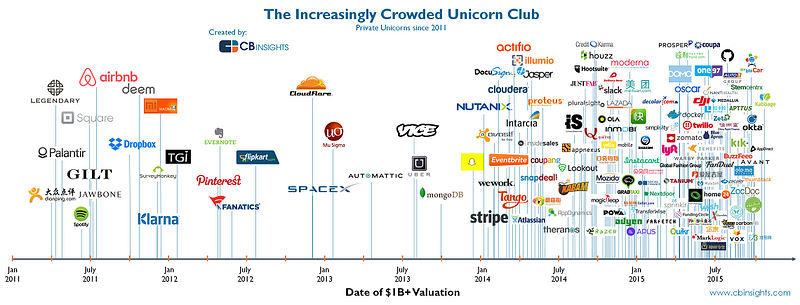
The norm today is “unicorns,” those digital startups crossing the billion-dollar valuation threshold. These same unicorns that endanger entire sectors of our world, while—financed as they are by private capital—they have no other purpose than to be resold or go public.
A “Task-ified” World
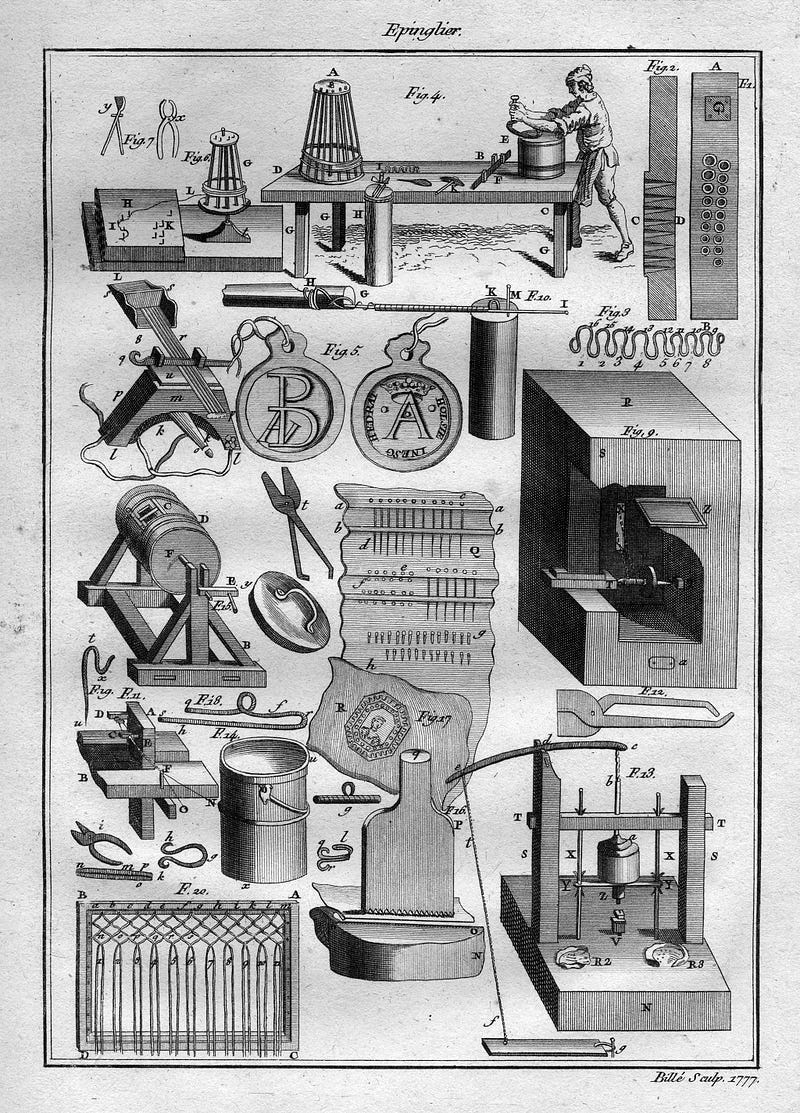
In itself, digital is an extremist interpretation of the principles of scientific management through its division, the basis of what is called “Command and Control.”
What extremisms are we talking about today? Those of processes associated with digital, the pursuit of total quality. They push toward automation, dehumanization, and other disruptions of the working world. They are running out of steam and even push toward the worst lies (GM, Volkswagen, etc.), but are surprisingly never questioned except in major crises (proven fraud cases, workplace suicides, etc.).
We have ultimately never left behind the war and industrial efforts made during the previous century. The vocabulary used within our organizations is even revealing—we are in a permanent state of alert (time to market, just in time, war room, etc.).
Time is relentlessly shrinking. We abandon certain know-how in favor of automation, rating and setting objectives for employees based on inefficient measures, generating a situation of stress and urgency. Even creating a startup takes no more than a few weeks.
The richness of time is inversely proportional to material wealth. The richer one becomes materially, the poorer one becomes in temporal resources. The wealthier societies are, the more stressed people become.
Add to this a complexification of our organizations and real dysfunctions of work. To ensure operational reliability and limit risks, key competencies and decisions are centralized. This creates a bottleneck, forcing the creation of hierarchical layers and control mechanisms fed by an unfortunate tendency to self-perpetuate numerous managerial shortcomings.
Information sharing becomes standardized and useless in decision-making. Employees become disconnected from their companies, their opinions no longer count, their freedom of action being totally restricted. All that remains is to hand over the reins of the company to an artificial intelligence, if that isn’t already the case.
From then on, how do you expect them to adhere to values and objectives that only aim to create even more inequities? Nothing matters except the blind execution of tasks completely devoid of meaning.
The Point of No Return?
We have reached a stage where the complexities of companies are hitting limits, where our planet is hitting its limits. The only rule remains to grow on credit, mainly by acquiring potential competitors and transferring certain activities to cheaper providers (creating additional controls).
Processes are ultimately only there to contain chaos, driving away talent and goodwill. The centralization of decisions creates a culture that prevents unquantified action, destroying the humility necessary for sharing, courage, listening, and signaling the end of tinkering, mutual aid, collectivity, and trust. The thirst for greatness creates a situation of entropy, of self-destruction.
What we generally call “management” consists of creating difficulties for people who want to do their work.
Hence the question: does digital make us blind? Well, digital is both a source of benefits but, like a medicine, can have the effect of a poison if used in incorrect doses.
This is exactly the case with Google. Extremely useful in daily life, the experience one can have of their search engine is nevertheless different for each individual. Oriented as it is by our profile, Google will not automatically offer you the best results for you, but rather the best results for its own interests. Therein lie the limits of a digital that has no other purpose than to fuel this endless race.
Worse, the GAFA business model feeds inexorably on what we are—that’s the raison d’être of Big Data: to orient our laziness, our desires, our impulses, our choices toward the services they sell to other companies.
We are no longer the customer but the product.
From then on, should we continue to blindly accept, fascinated as we are, what technology brings us and lose our free will to corporate-states that master digital?